Mass Spectrometry-based Proteomics with Post-Translational Modification Biology (Phospho & Glycoproteomics) (Online Advanced Training)
Master Proteomics with Mass Spectrometry & Decode PTMs for Real-World Disease Insights
11 April-10 May 2026 | 6:00 PM IST | Online Training | Certificate
About the Training
This 5-week advanced online training focuses on mass spectrometry–based proteomics with Post-Translational Modification (PTM) biology, specifically phosphorylation and glycosylation. The program combines strong conceptual foundations with hands-on data analysis using real biological datasets. Participants will gain expertise in proteomics workflows, quantitative analysis, and PTM interpretation, with a special focus on understanding disease signaling pathways. The course is designed to prepare learners for research, biotech, and pharma R&D roles through practical exposure and case-based learning.
What You Will Learn
Fundamentals of proteomics (top-down & bottom-up approaches)
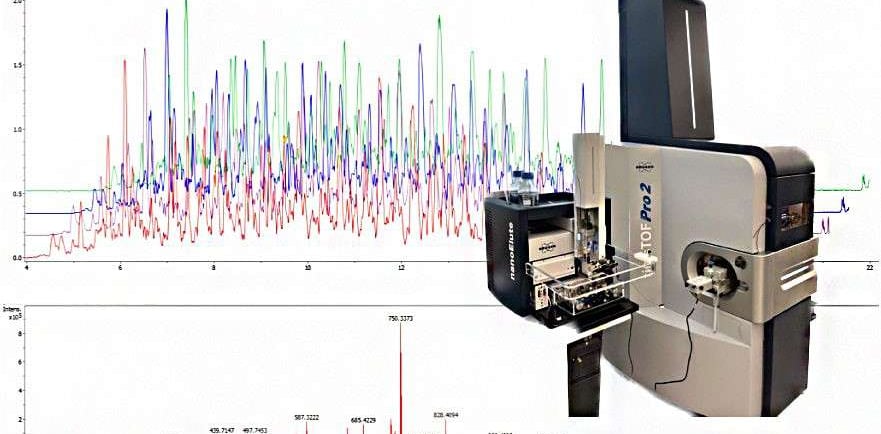
Working principles of mass spectrometry (Orbitrap)
Sample preparation techniques in proteomics
Quantitative proteomics and data normalization
Hands-on MaxQuant & Perseus workflow
Phosphoproteomics & glycoproteomics analysis
PTM-based disease signaling and case studies
Pathway analysis, Gene Ontology & network mapping (Cytoscape)
Course Features
E-Certificate upon completion
Live & interactive sessions
Session recordings access
E-materials & lecture PPTs
Hands-on training with real datasets
Tools covered: MaxQuant, Perseus, Cytoscape, pGlyco, GlycoWorkbench
Learning Outcomes
Understand mass spectrometry–based proteomics workflows
Perform quantitative analysis of proteomic datasets
Identify and interpret phosphorylation & glycosylation PTMs
Translate data into biological pathways and networks
Apply skills in proteomics research, biotech, and pharma R&D
Who Can Join
B.Sc / M.Sc / B.Tech / M.Tech students in Biotechnology, Life Sciences, Biochemistry, Microbiology
PhD scholars working in proteomics, PTMs, or signaling biology
Early-career researchers in omics data analysis
Professionals aiming for careers in bioinformatics, proteomics & translational research
Course Fee
Indian Participants: ₹1899 INR
International Participants: $110 USD
Course Module
Week 1: Foundations of Proteomics
Session 1:
Introduction to Proteomics – Top-down & Bottom-up approaches
Fundamentals of Mass Spectrometry – OrbitrapSession 2:
Sample Preparation in Proteomics – Reduction, Alkylation, Digestion, Peptide Cleanup, and Peptide Labeling (importance & workflow)
Week 2: Proteomics Data Analysis
Session 3:
Data Analysis in Proteomics – MaxQuant workflow & introduction to Proteome DiscovererSession 4:
Quantitative Proteomics – Normalization, Data Interpretation & Visualization using Perseus
Week 3: Phosphoproteomics
Session 5:
Introduction to Phosphoproteomics – Biology, site localization, and disease signalingSession 6:
Phosphoproteomic Data Analysis – KSEA analysis, kinase-substrate mapping & kinome visualization (with cancer case studies)
Week 4: Glycoproteomics
Session 7:
Introduction to Glycoproteomics – Role in disease biology, especially cancerSession 8:
Glycoproteomic Data Analysis – Oxonium ions, MS behavior, glycan & glycopeptide identification
Week 5: Biological Interpretation & Project
Session 9:
Biological Interpretation – Functional annotation, Gene Ontology, pathway enrichment & Cytoscape network mappingSession 10:
Doubt Clarification + Capstone Project Initiation
(Public dataset-based analysis: phosphoproteomics & glycoproteomics)
Software & Tools Covered
MaxQuant
Perseus
Cytoscape
pGlyco
GlycoWorkbench
Microsoft Excel